
Chinese Hackers Are Targeting US Internet Providers—Here’s Why You Should Care
Chinese Hackers Are Targeting US Internet Providers—Here’s Why You Should Care
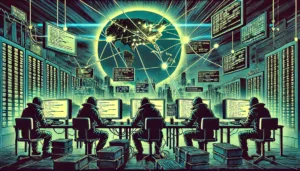 Imagine waking up one morning, and your internet just… doesn’t work. No streaming, no work-from-home Zoom calls, no online banking. For many Americans, that kind of nightmare could become real—and Chinese hackers are at the heart of it.
In recent months, a group of hackers known as “Salt Typhoon” has been breaking into US internet providers, sneaking around in the systems that keep our country online. And we’re not talking about your Wi-Fi at home going out for a few minutes—these attacks are targeting the very companies that provide the internet in the first place. If successful, they could cause massive outages or even steal sensitive information from millions of people.
So why are they doing this? Well, it’s not just about causing chaos for fun. Salt Typhoon is part of a broader, state-sponsored operation backed by China. This means the group isn’t just rogue hackers; they’re working with the resources of an entire government behind them, and they’re after more than just your personal data. They’re going for the bigger prize: corporate secrets, defense communications, and the systems that control our infrastructure.
Even scarier? These hackers aren’t stopping at breaking into systems. China has reportedly begun publicly outing—also known as “doxxing”—hackers who they believe are working against their interests. It’s becoming personal.
But this isn’t just some faraway problem for the government to handle. If hackers can compromise the companies that power your internet, it can affect your daily life. No internet means no work, no school, no access to your bank accounts, or even communication with loved ones. Imagine if something as simple as ordering groceries online became impossible.
What’s worse is that most of us are still behind in our online defenses. How many times have you ignored that notification to update your computer’s security settings? Yeah, me too. But with threats like this becoming more common, it’s clear we need to start taking our personal security more seriously.
The message is simple: This isn’t about tech jargon or some abstract cybersecurity problem. It’s about the very real possibility that your access to the internet—something we all depend on—could be disrupted by people sitting halfway across the world.
So, what can you do? Start with the basics: make sure your software is up-to-date, use strong passwords, and turn on two-factor authentication wherever you can. It might not stop these large-scale attacks, but it helps protect you from being an easy target.
If your business needs protection, consider FATAL! You can easily get started or contact us for more information!
Related Posts
North Korea’s Hidden Remote Job Infiltration
North Korea’s Hidden Remote Job Infiltration The Day the FBI Came Knocking Imagine answering your…

Nuclear Access Through a Microsoft Hole
Nuclear Access Through a Microsoft Hole The agency that manages America’s nuclear weapons got breached…
Infostealer Malware Dump Exposes Billions of Logins
Infostealer Malware Dump Exposes Billions of Logins A massive data leak has just surfaced online,…
Massive Data Leak Exposes 184 Million Passwords from Major Platforms and Government Accounts
Massive Data Leak Exposes 184 Million Passwords from Major Platforms and Government Accounts A massive…
Texas-Based eWorldTrade and Pakistani Partner Abtach Exposed: Massive Scam Network Used Online Ads to Defraud U.S. Consumers
Pakistani Firm Shipped Fentanyl Analogs to US Using Scam Online Ads A Texas firm recently…

AI Voice Cloning Scams: The Threat You Can’t Ignore
AI Voice Cloning Scams: The Threat You Can’t Ignore Voice cloning scams are becoming a…