
When the Big Guys Get Hit: Lessons From Halliburton’s $35 Million Ransomware Attack
When the Big Guys Get Hit: Lessons From Halliburton’s $35 Million Ransomware Attack
Imagine being a fly on the wall at Halliburton’s headquarters back in August 2024 when the alarm bells started ringing. This global giant—yes, the same Halliburton that works with oil fields in 70 countries—just got hit with a ransomware attack. The RansomHub gang had managed to snake their way into Halliburton’s systems, grabbing
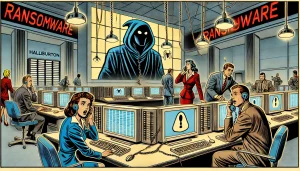
sensitive data and forcing the company to take drastic measures.
And let’s be clear, $35 million is no small change, even for a business with annual revenues north of $23 billion. While Halliburton had to scramble to shut down IT systems and unplug customer access to prevent further damage, you can bet the C-suite had some sleepless nights.
But here’s the thing: the breach itself didn’t just cost money—it also cost trust. Even if Halliburton managed to limit the immediate damage and contain financial fallout, that question mark about stolen data remains. Was it sensitive info? Will it get leaked or sold? These are the worries keeping executives up at night.
So, What Can the Rest of Us Learn From This?
It’s easy to think, “This won’t happen to us.” But it’s not just the Halliburtons of the world that get hit. Ransomware attacks are like door-to-door thieves—they’ll try every handle, hoping someone forgot to lock up. And if it can happen to a behemoth like Halliburton, it can certainly happen to your business.
Here’s the kicker: the RansomHub gang got into Halliburton’s systems because there was a vulnerability. Whether it was a human error, outdated software, or just plain bad luck, the bottom line is that no one is 100% safe. But there are definitely steps you can take to protect yourself.
5 Steps to Protect Your Business (Without the BS)
- Patch It Up, Patch It Now
Keep your software up to date. Yes, those annoying “install update” prompts are annoying, but they’re your best defense against new threats. Cybercriminals love unpatched systems like kids love candy.
- Train Your Team Like It’s the NFL
Cybersecurity isn’t just an IT thing. If your team doesn’t know the signs of a phishing email or a suspicious link, they’re like open doors for attackers. Run regular training and phishing tests to keep everyone sharp.
- Backup, Backup, Backup
A ransomware attack is much less effective if you have recent, offline backups. Make sure you’re not just backing up your data, but that you can actually restore it when needed.
- Multi-Factor Authentication (MFA) Is Non-Negotiable
Passwords alone are like locking your front door but leaving the key under the mat. Implement MFA wherever possible to add that extra layer of protection.
- Invest in Threat Detection and Response
Halliburton’s quick response to shut down affected systems was crucial in containing the damage. If you can spot an attack early, you can stop it before it gets ugly. That’s where a solid cybersecurity solution comes in.
Don’t Have a Cybersecurity Team? Look no further!
Listen, you don’t have to be a Fortune 500 company to be a target. The reality is, every business is at risk, whether you’re managing customer data, proprietary technology, or just your own team’s info.
But, if your business needs help, consider FATAL Cybersecurity, us! We’ve got the tools, the experts, and the 24/7 monitoring you need to sleep easier at night (and let’s be honest, we could all use more sleep). Whether you need a comprehensive security audit, real-time threat detection, or just a chat to figure out where to start, FATAL’s got your back. Don’t wait until you’re facing a multimillion-dollar crisis—get started today.
Related Posts
North Korea’s Hidden Remote Job Infiltration
North Korea’s Hidden Remote Job Infiltration The Day the FBI Came Knocking Imagine answering your…

Nuclear Access Through a Microsoft Hole
Nuclear Access Through a Microsoft Hole The agency that manages America’s nuclear weapons got breached…
Infostealer Malware Dump Exposes Billions of Logins
Infostealer Malware Dump Exposes Billions of Logins A massive data leak has just surfaced online,…

Massive Data Leak Exposes 184 Million Passwords from Major Platforms and Government Accounts
Massive Data Leak Exposes 184 Million Passwords from Major Platforms and Government Accounts A massive…
Texas-Based eWorldTrade and Pakistani Partner Abtach Exposed: Massive Scam Network Used Online Ads to Defraud U.S. Consumers
Pakistani Firm Shipped Fentanyl Analogs to US Using Scam Online Ads A Texas firm recently…

AI Voice Cloning Scams: The Threat You Can’t Ignore
AI Voice Cloning Scams: The Threat You Can’t Ignore Voice cloning scams are becoming a…