
America’s Aviation Cybersecurity Crisis Is Already Here
America’s Aviation Cybersecurity Crisis Is Already Here
The U.S. aviation system is under attack, and not just by hackers. It’s under attack by time.
Most of the infrastructure that keeps planes in the air, on schedule, and out of each other’s way was built decades ago. It’s still running, barely. But it wasn’t designed for modern threats, especially the kind of coordinated cyberattacks that are now hitting critical transportation systems around the world. And it’s already breaking.
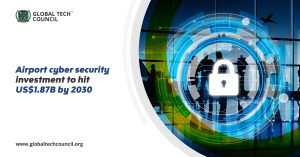
Outdated Tech, Overloaded Systems
The Federal Aviation Administration (FAA) is still relying on aging software and legacy systems that weren’t built with cybersecurity in mind. These systems are being pushed to their limits as flight demand increases year over year.
Cyber experts and policy analysts are warning that the situation is reaching a breaking point. “We are pushing decades-old aviation systems to handle high-demand travel 24/7, and the cracks are showing,” said Jiwon Ma, a senior analyst at the Foundation for Defense of Democracies.
She’s right. You don’t need a hacker to cause a collapse anymore, sometimes it just takes a bad software update.
The Real-World Fallout
- Delta Air Lines, July 2024: 7,000 flights canceled. 1.3 million passengers stranded. Cause? A faulty software update from cybersecurity firm CrowdStrike that crashed millions of Windows machines. Delta is suing them for $500 million.
- Seattle-Tacoma International Airport, August 2024: Ticketing, check-in, and flight ops paralyzed for days. A Rhysida ransomware attack compromised the personal data of 90,000 people.
- Boeing, 2023: Hit by LockBit. $200 million ransom demand. Sensitive internal data leaked. Their flight planning unit Jeppesen was also compromised in a separate attack.
The U.S. Is Not Ready
The FAA claims to have a “comprehensive approach” to cybersecurity, but has avoided details. Meanwhile, airlines are left to fend for themselves in a system that’s falling apart.
The Transportation Security Administration (TSA), FAA, and CISA have been urged to conduct full-scale cyber vulnerability audits across all major U.S. airports, especially those used for both commercial and military purposes. No one wants to see what happens if they don’t. These aren’t theoretical risks. This isn’t something that might happen if we don’t act fast. It’s already happening. And every delay puts passengers, national security, and the entire U.S. transportation grid at greater risk.
What Needs to Happen Next
Cybersecurity can’t be treated like an add-on. It has to be built into the foundation of U.S. aviation, starting with air traffic control systems, airport infrastructure, and airline software environments. Modernization can’t be gradual. It has to be aggressive, coordinated, and fully funded. That includes:
- Replacing legacy systems, not patching them
- Mandatory cyber assessments at all major airports
- Cross-agency response plans for digital attacks
- Standardized cybersecurity protocols across airlines
- Real-time monitoring powered by AI threat detection
Right now, every airline is handling it differently. That’s a problem. Aviation is national security. Disruptions to flight operations, delays in air traffic systems, or breaches in navigation software don’t just inconvenience travelers. They create windows of vulnerability for everything from logistics to defense readiness. Hackers aren’t just after money anymore, they’re after leverage. And the longer we rely on vulnerable infrastructure, the more we’re handing it to them.
Every delay, every deferral, every excuse to postpone real modernization only increases the chances of the next failure being worse than the last. The U.S. aviation system is one of the most complex in the world. But if we don’t overhaul how we protect it fast, it’s only a matter of time before it breaks in a way we can’t fix midair.
Related Posts
North Korea’s Hidden Remote Job Infiltration
North Korea’s Hidden Remote Job Infiltration The Day the FBI Came Knocking Imagine answering your…

Nuclear Access Through a Microsoft Hole
Nuclear Access Through a Microsoft Hole The agency that manages America’s nuclear weapons got breached…
Infostealer Malware Dump Exposes Billions of Logins
Infostealer Malware Dump Exposes Billions of Logins A massive data leak has just surfaced online,…
Massive Data Leak Exposes 184 Million Passwords from Major Platforms and Government Accounts
Massive Data Leak Exposes 184 Million Passwords from Major Platforms and Government Accounts A massive…

Texas-Based eWorldTrade and Pakistani Partner Abtach Exposed: Massive Scam Network Used Online Ads to Defraud U.S. Consumers
Pakistani Firm Shipped Fentanyl Analogs to US Using Scam Online Ads A Texas firm recently…

AI Voice Cloning Scams: The Threat You Can’t Ignore
AI Voice Cloning Scams: The Threat You Can’t Ignore Voice cloning scams are becoming a…